TL-DR When customers search “auto repair near me,” they usually choose the shop with the strongest and most recent reviews not necessarily the best mechanics. Automotive businesses that systematically generate fresh Google reviews, respond quickly to feedback, and resolve complaints privately build trust faster and rank higher in local search.
Automating review requests after each service, using two-step satisfaction scoring to catch unhappy customers early, and responding professionally to every review turns reputation into a consistent marketing engine. Shops that maintain steady review velocity and actively manage feedback often see significant improvements in local rankings, walk-in traffic, and customer trust.
"The shops that win online aren’t always the best mechanics they’re the ones with the most visible trust."
How to Get More Google Reviews for Your Automotive Business (Without Asking Every Customer)
Introduction
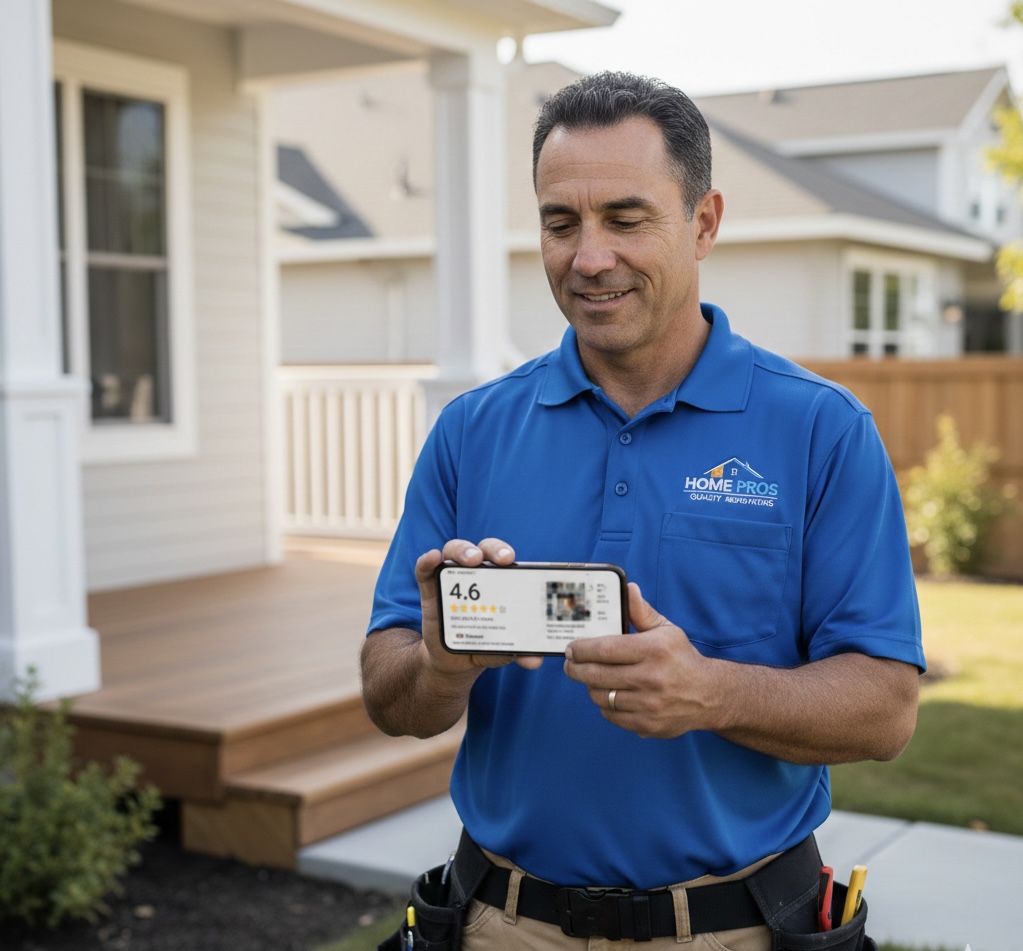
When someone's car breaks down or they need routine maintenance, they don't pick a shop blindly. They pull out their phone, search "auto repair near me," and look at two things: your star rating and what people said about you last week. A shop with 300 reviews and a 4.7-star average will get the call over a competitor with 45 old reviews even if that competitor does better work.
For automotive businesses whether you run a repair shop, dealership, detailing service, or tire center your online reputation is working 24/7 to either bring customers in or send them to your competition. This post breaks down exactly how successful auto shops collect more Google reviews after every service, manage the inevitable complaint about pricing or wait times, and turn their reputation into a reliable marketing engine that doesn't require constant manual effort.
Why Online Reputation Management Matters More for Automotive Businesses
The Trust Gap in Auto Repair
Let's be honest: people don't naturally trust auto repair shops. They've heard horror stories about unnecessary repairs, inflated quotes, and shops that keep cars for days without explanation. When someone searches for a mechanic, they're not just looking for technical skill—they're looking for proof they won't get ripped off.
Reviews bridge that trust gap. A shop with 200+ recent reviews mentioning "honest pricing," "explained everything clearly," or "fixed it right the first time" overcomes decades of industry skepticism in seconds. That's why automotive businesses with strong review management software see 30-40% more walk-ins than competitors with similar ratings but older feedback.
Google's local algorithm prioritizes recency and volume. If your last review is from three months ago, you look inactive even if you're servicing 20 cars a day. Fresh reviews every week signal to both Google and potential customers that you're busy, reliable, and worth trusting with their vehicle.
How Different Automotive Businesses Use Reviews
Not all automotive businesses face the same reputation challenges:
- Auto repair shops and mechanics: Need to overcome pricing skepticism and prove they're honest. Reviews mentioning transparent quotes, quick turnaround, and quality work are gold.
- Car dealerships: Battle the "pushy salesperson" stereotype. Reviews highlighting low-pressure sales, fair trade-in values, and smooth financing processes matter most.
- Detailing and car wash services: Customers judge them on attention to detail and convenience. Reviews about missed spots, scratches, or long wait times can kill business fast.
- Tire shops and quick lube centers: Compete on speed and price. Reviews mentioning "in and out in 20 minutes" or "best price I found" drive volume.
Regardless of your specific niche, the pattern is the same: consistent positive reviews increase trust, and trust drives phone calls and appointments. The shops that dominate their local market aren't necessarily the best mechanics—they're the ones who've figured out how to systematically collect and showcase social proof.
Strategies to Increase Google Reviews for Your Automotive Business
Automating Review Requests After Service Completion
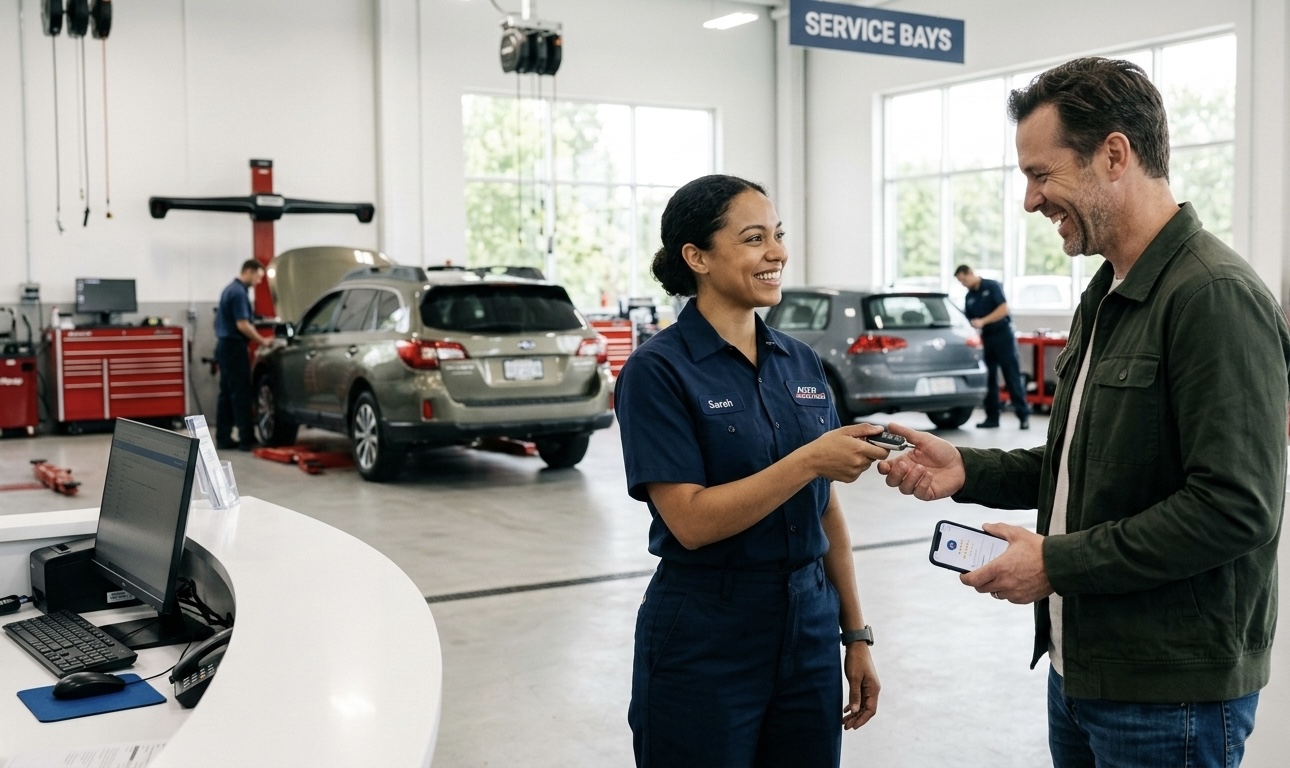
Most customers leave your shop happy with the work but never think to leave a review. Your service advisors are too busy managing the queue to remember to ask every single person. That's where systems designed to automatically get more reviews change everything.
Set up automated systems that help you consistently get more reviews by triggering requests 2–4 hours after service completion. This timing is perfect: the customer has driven away, confirmed their car is running well, but the experience is still fresh.
Example SMS: "Hi Marcus thanks for choosing AutoFix! How did your oil change go today? Reply 1-5. If we did great, tap here to leave us a quick Google review: [link]"
The two-step approach is critical for automotive businesses. First, ask for a satisfaction score. If they reply 4 or 5, send your Google review link immediately. If they reply 1-3, route that feedback to a private form or directly to your service manager's phone. This prevents public complaints while giving you a chance to fix problems before they damage your rating.
Timing Review Requests for Different Automotive Services
Different services need different timing:
- Oil changes and quick services: Send the review request 2-3 hours after pickup. They've driven enough to know everything is fine.
- Major repairs (transmission, engine work): Wait 24-48 hours. Customers need time to confirm the problem is actually fixed and the car is running reliably.
- Detailing and cosmetic work: Send the request 30-60 minutes after pickup, while they're still admiring the shine and clean interior.
- Vehicle sales at dealerships: Send a request the day after they drive off the lot, once the initial excitement settles and they've had time to enjoy the car.
Using reputation management software for small business operations means you can set these timing rules once and forget about them. Every completed service automatically triggers the right message at the right time, without anyone on your team lifting a finger.
Making Review Links Easy to Access In-Store
Don't rely solely on automated texts. Create multiple touchpoints for customers who want to leave a review immediately:
- Use a google review link generator to create a short, memorable URL (like reviewcrusher.ai/yourshop) and print it on receipts
- Generate a google review qr code and post it at your checkout counter, in your waiting area, and on the back of business cards
- Train service advisors to mention reviews during the checkout process: "If we took great care of you today, we'd love a quick Google review. We'll text you the link in a couple hours."
The key is making the process frictionless. Every extra step login required, navigation through multiple pages, account creation Managing Negative Reviews and Customer Complaints
The Most Common Automotive Business Complaints
Negative reviews in the automotive industry follow predictable patterns:
- Pricing disputes: "They quoted $300 and charged $650!" or "Found it $200 cheaper down the street."
- Wait time complaints: "Said it would take 2 hours, I waited 5" or "Never called to update me."
- Quality issues: "Problem came back a week later" or "Noticed a new scratch on my bumper."
- Communication failures: "Never explained what was actually wrong" or "Felt like they were trying to upsell me."
The shops with the best reputations don't avoid these problems entirely—they catch them early and fix them privately before they become public complaints. That's the real value of reputation management tools: early warning systems that let you resolve issues before they cost you dozens of future customers.
Responding to Negative Reviews Professionally
Businesses that consistently respond to reviews quickly and professionally build more trust with future customers. Future customers reading that review are watching to see how you handle criticism. A fast, professional, solution-focused response often reassures prospects more than a page full of 5-star reviews.
Example response to a pricing complaint: "Thanks for the feedback, James. I'm sorry there was confusion about the final cost. When we opened up the engine, we found additional issues that needed immediate attention for safety. I should have called before proceeding—that's on me. Please call me directly at (555) 123-4567 so I can walk through the invoice and make this right."
Notice what this does:
- Acknowledges the customer's frustration without being defensive
- Explains what happened without making excuses
- Takes responsibility for the communication failure
- Offers a direct path to resolution offline
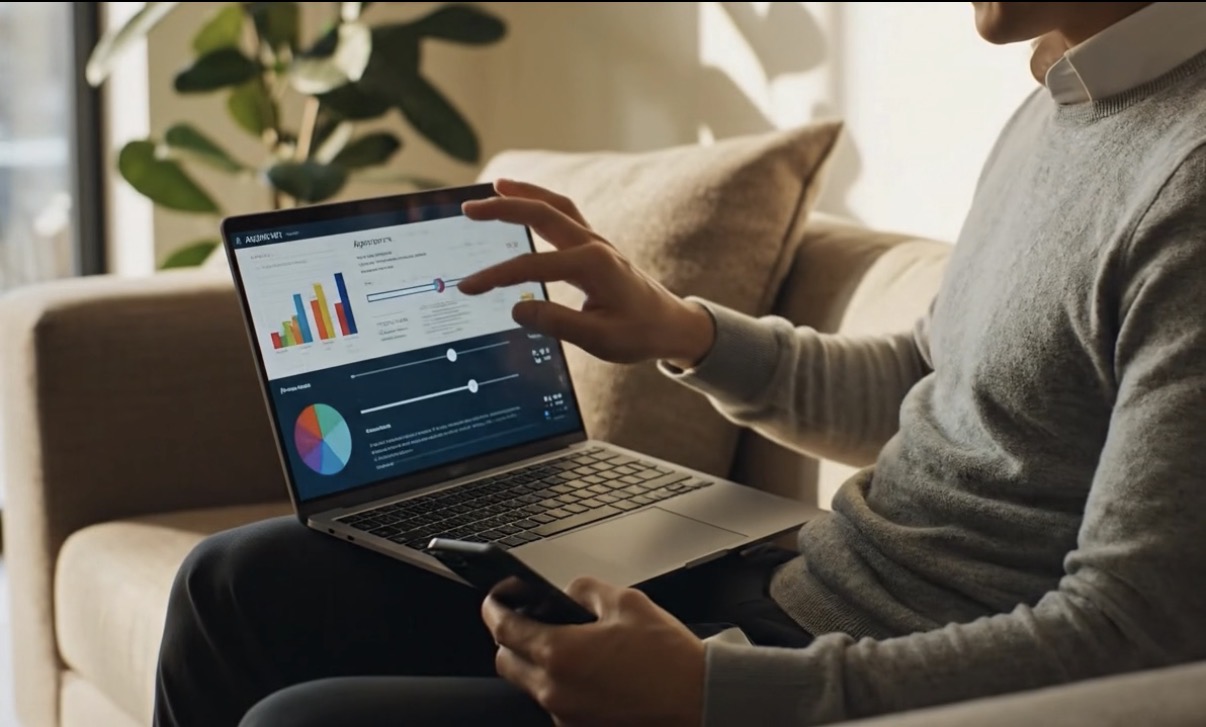
Using google review management software with AI-assisted response drafting helps here. The system can suggest professional responses that mention your specific services (brake repair, transmission work, detailing) while maintaining your shop's voice. You review and approve before posting, but you're not starting from a blank page every time.
Preventing Bad Reviews Through Early Detection
The best online reputation management strategy is catching problems before they go public. When you use the two-step review request method, customers who rate you 1-3 get routed to a private feedback form instead of straight to Google.
You see the complaint immediately inside your reputation dashboard. "Charged me for premium oil but I'm pretty sure they used regular" or "Car started making a new noise after I picked it up." Your service manager can call them within 30 minutes, investigate the concern, and fix it—often for free if it's a legitimate issue. Most people just want to be heard and have their problem resolved. When you do that quickly and sincerely, many become loyal customers instead of your harshest critics online.
Track complaint themes in your review management platform. If you're getting multiple comments about wait times, improve your customer communication or booking system. If pricing disputes keep showing up, train your team to explain estimates more clearly before starting work. The shops that actually fix the root causes of complaints are the ones that maintain 4.7+ ratings long-term.
Leveraging Reviews for Marketing and Customer Acquisition
Using Positive Reviews as Social Proof
Don't let your best reviews sit buried on Google. Pull specific quotes and use them everywhere:
- Website homepage: Feature 3-5 recent reviews with customer names and star ratings
- Social media: Post one review quote per week with a graphic showing the star rating and your logo
- In-store signage: Print standees near the checkout counter with recent 5-star feedback
- Email signatures: Add your overall rating and review count to staff email signatures
- Service reminders: Include a recent positive quote in appointment confirmation texts
Keep quotes word-for-word and attribute them by first name when possible—"Mike T." feels more authentic than an anonymous testimonial. Rotate reviews every few weeks to keep content fresh and showcase different aspects of your service (quality work, fair pricing, friendly staff, clean facility).
Building Consistent Review Flow with Automation
The automotive shops that dominate local search don't get occasional bursts of reviews—they get a steady trickle every single week. That signals to Google and potential customers that you're actively serving people and consistently delivering good results.
Manual review requests can't maintain this consistency. People forget during busy periods, feel awkward asking, or skip it when a customer seems rushed. Reputation management software removes the human memory problem. Once configured, every completed service automatically triggers a review request at the optimal time. Your team doesn't need to remember, and you don't need to nag them about it during Monday meetings.In cases where reviews are clearly false or violate platform policies, there are legitimate ways to remove bad reviews before they damage your shop's reputation.
One multi-location auto repair chain I worked with saw their average rating improve from 4.1 to 4.6 across all shops within 90 days of implementing automated review requests. Their review volume tripled, which pushed them from page two to the top three map results in most of their markets. The owner calculated that the reputation management platform paid for itself within the first month from increased walk-in traffic alone.
Responding to All Reviews Builds Trust
Every review deserves a response positive or negative. Thank customers who leave 5-star feedback and mention something specific they praised: "Thanks for the kind words about our transparent pricing, David! We're glad we could get your truck back on the road quickly."
For busy shops with multiple locations, this becomes overwhelming fast. The best online reputation management tools include AI response generators that draft replies in your voice professional, grateful, and specific to automotive services. You review and approve before posting, but the AI handles the initial draft so you're not writing 30+ responses from scratch each week.
Choosing the Right Reputation Management Platform for Automotive Businesses
What to Look for in Review Management Software
Not all reputation management platforms work well for automotive businesses. Most are built for restaurants or retail shops and don't account for your specific workflows—like triggering review requests after service completion logged in your shop management system, or routing safety concerns to your lead technician immediately.
Look for these features:
- Integration with shop management systems: Should connect to popular platforms like Shopware, Tekmetric, Mitchell, or work with a simple CSV export if you use spreadsheets
- Service-specific triggers: Different timing for oil changes vs major repairs vs detailing
- Two-step satisfaction scoring: Routes low scores to private feedback before they become public reviews
- Google review link and QR code generation: For in-store use at checkout counters and waiting areas
- Multi-location dashboard: If you operate multiple shops, see all reputation scores in one place
- AI-assisted response drafting: Suggests professional replies mentioning your specific services
- Real-time alerts: Notifications when new reviews are posted so you can respond within the first hour
- Competitor benchmarking: See how your rating and review volume compare to other auto shops in your area
Pricing should be per location, not per review or per employee, so your costs don't spike as your business grows. The best reputation management software for small business operators offers transparent pricing and month-to-month contracts, not annual commitments with hidden fees.
How ReviewCrusher Fits Automotive Business Workflows
ReviewCrusher was designed specifically for service businesses where trust and reliability determine whether customers choose you or drive to your competitor. For automotive businesses, it connects to your existing shop management system (or works with simple order logs) and sends automated review requests after service completion no manual work required.
When a customer rates their experience 1–3, ReviewCrusher routes them to a private feedback form instead of Google. You see the complaint immediately in your dashboard, reach out to fix it personally, and often prevent a public negative review. When customers rate you 4–5, they get a direct link to leave a Google review in seconds.
The platform includes AI-powered response suggestions that mention automotive-specific services like brake repair, diagnostics, oil changes, and detailing. You approve each response before it posts, so it stays authentic to your voice while saving hours every week. The multi-location dashboard shows you which shops are collecting the most reviews, which have the highest ratings, and where complaint themes are emerging that need operational attention.
Real Results from Automotive Businesses Using Review Automation
Case Study: Regional Tire and Auto Center Chain
A tire shop with six locations across two states was stuck at 4.2 stars with inconsistent review flow. Some locations had 80 reviews, others had 12. Their biggest complaint theme was wait times customers felt they weren't kept informed about delays.
They implemented ReviewCrusher with service-specific timing: oil changes got review requests 3 hours after pickup, tire installations got requests same-day, and major repairs got requests 48 hours later to confirm the fix held up. They also added wait time updates to their process a text sent automatically when service would take longer than originally estimated.
Results after 120 days:
- Average rating increased from 4.2 to 4.6 across all locations
- Review volume increased 210% (from ~40 reviews/month to ~120 reviews/month)
- Wait time complaints dropped 65% after process improvements informed by review themes
- Three locations moved from page 2 to top 5 map results in their markets
- Estimated 30% increase in walk-in traffic at the three locations that improved rankings most
The owner said the reputation management platform paid for itself within the first 45 days from increased customer volume alone. The bigger win was finally having visibility into which service advisors were generating complaints and which locations needed operational improvements.
How Independent Shops Compete with Dealerships
Independent auto repair shops often have better customer service and lower prices than dealerships, but dealerships have brand recognition and marketing budgets. Reviews level the playing field. When an independent shop has 300 recent reviews averaging 4.8 stars, they can compete with and often beat the dealership down the street in local search results.
One independent mechanic shop I worked with focused on transparency and customer education. Their service advisors started taking photos of problem areas and texting them to customers with explanations before doing work. They asked for reviews specifically after these photo-documented repairs. Within six months, their review volume surpassed the two nearby dealerships, and they became the top-ranked auto repair shop in their city of 100,000 people.
The lesson: you don't need a massive marketing budget. You need a system that consistently collects social proof and showcases it effectively.
Turn Customer Reviews Into Your Automotive Shop’s Best Marketing Tool
When drivers search for “auto repair near me,” they usually choose the shop with the most recent and trustworthy reviews. Automotive businesses that consistently generate fresh Google reviews, respond quickly to feedback, and resolve complaints privately build stronger trust and rank higher in local search results.
Automating review requests after every service, routing unhappy feedback privately, and responding to all reviews professionally transforms your reputation into a powerful marketing engine. Shops that maintain steady review velocity and visible social proof often see higher rankings, more calls, and increased walk-in traffic.
Conclusion
The Future of Reputation Management in Automotive Services
Reviews will keep deciding which auto shops get the phone calls and which ones struggle to fill their bays. The businesses that win won't necessarily be the best mechanics or have the newest equipment they'll be the ones with consistent 4.6+ ratings and fresh reviews every week showing they deliver what they promise.
Building that reputation doesn't require hiring a marketing agency or spending hours chasing down customers for feedback. It requires one small system: automated review requests after every service, a private triage for unhappy customers, and fast responses to every review that gets posted. Get those three things right and your reputation will do most of the marketing work for you.
One clear action this week: if you're not already sending automated review requests, pick one service type (oil changes, brake jobs, whatever you do most frequently) and set up a text that goes out 3 hours after completion asking for a 1–5 satisfaction score. Track how many people respond and how many convert to Google reviews over 30 days. That single change often delivers the biggest lift in both review volume and rating improvement, cuts your completion rate in half. A direct Google review link takes customers straight to your review page in one tap.
FAQs